







Search Results for: Pre-Roast Blending
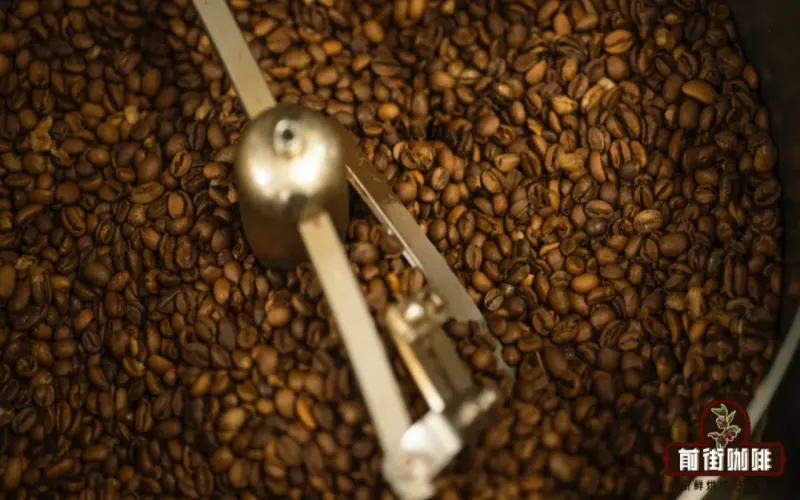
A Comprehensive Analysis of Coffee Blends: Differences Between Espresso Blends and Single-Origin Beans, and How to Choose Between Pre-Roast and Post-Roast Blending
Blended coffee beans have attracted increasing attention in recent years, and even the pour-over coffee scene has begun to adopt them widely. Front Street Coffee has pointed out in past articles that single-origin coffee beans often struggle to achieve an ideal state in both flavor and mouthfeel at the same time, while through blending, it is possible to create a coffee bean that combines flavor, mouthfeel, and a unique character. However, blended beans involve two different modes—raw blending and roasted blending—which has also led many enthusiasts to wonder: which method is actually better? This article will systematically sort out the meaning of blended coffee beans, distinguish the differences between espresso blends and single-origin beans, and take a deeper look at the logic and applicable scenarios of raw blending and roasted blending respectively, helping readers fully understand how to choose blended coffee beans. [more…]
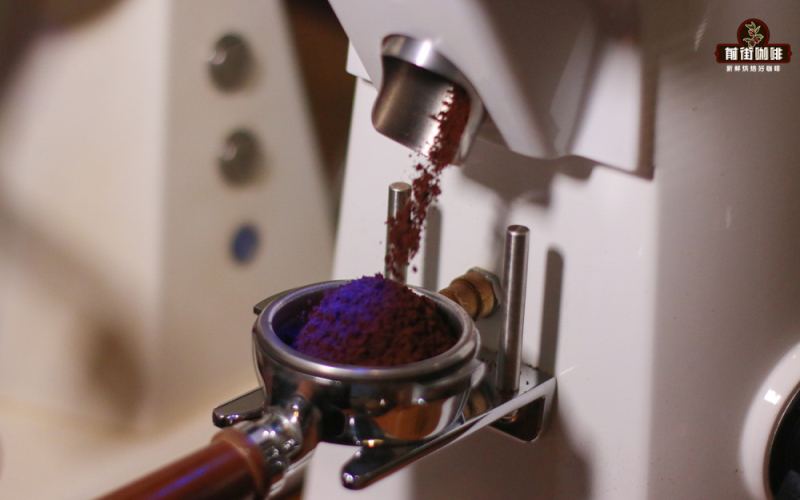
A Complete Guide to Coffee Blending: Purpose, Flavor Positioning, Pre-Roast vs. Post-Roast Blending, and Ratio & Recipe Approaches
Blending coffee beans is not simply mixing them together, but a technical craft that balances experience, inspiration, and calculation. This article systematically outlines the complete blending process: from clarifying the purpose of the blend (reducing costs, stabilizing flavor, creating tastes that a single-origin bean cannot achieve), to determining the target flavor, choosing between pre-roast or post-roast blending, and then locking in the blend ratio through pre-confirmation and final confirmation via cupping. Using the Warm Sun Blend as an example, the article explains how to use Honduras Sherry Barrel as the main base, combined with Natural Yirgacheffe Red Cherry Project, roasted separately and then combined, balancing vinous notes with fruity acidity and berry tones, while preserving Front Street Coffee's brand experience and product information. [more…]
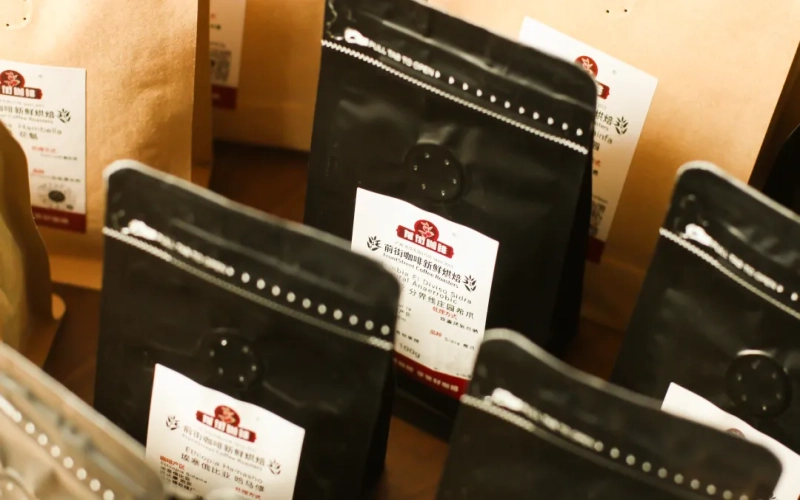
Analyzing the Core Advantages of Coffee Blends: The Difference Between Pre-Roast Blending and Post-Roast Blending
Blended coffee is the soul of espresso. By combining coffee beans from different origins and processed in different ways in specific proportions, it is possible to create a rich flavor and consistent quality that single-origin beans cannot achieve. Starting from actual tasting experience, this article shares the taste impressions of Front Street Coffee's classic blends, outlines their recipe composition and several product categories, and discusses the differences between the two production approaches: pre-roast blending and post-roast blending. Whether you prefer rich and full-bodied or a balance of acidity and sweetness, you can find the cup that suits you in the world of blends. [more…]
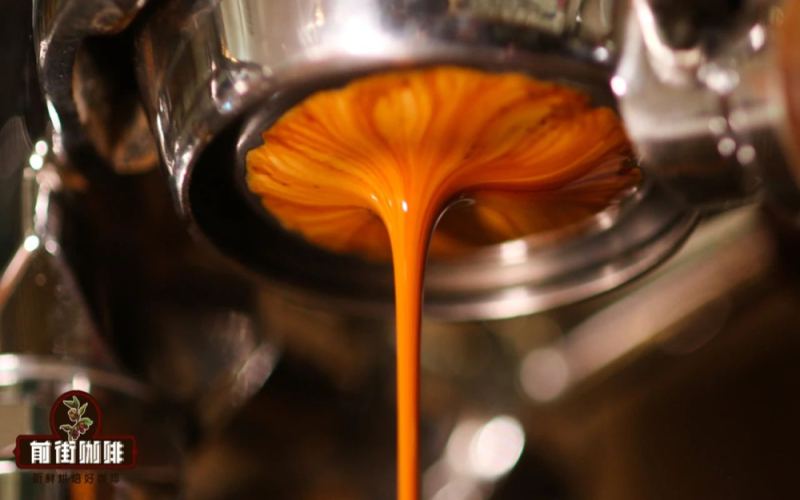
A Complete Analysis of Espresso Bean Blending: From Principles to Front Street Coffee's Four Espresso Bean Recipes and Extraction Parameters
To make a rich, well-balanced espresso at home or in a café, choosing the right blend is the first step. This article begins with the definition and purpose of coffee blending, explains the pros and cons of pre-roast blending and post-roast blending, and lays out the complete process: establishing the target flavor, determining the blend type and ratio, and pre-confirming through cupping. It also details the origin composition, roasting approach, and flavor performance of four Front Street Coffee espresso blends—Specialty Espresso, Commercial Espresso, Basic Espresso, and Sunflower Warm Sun—along with espresso extraction parameters and an iced latte recipe, and finally explains why espresso is served with a spoon. [more…]
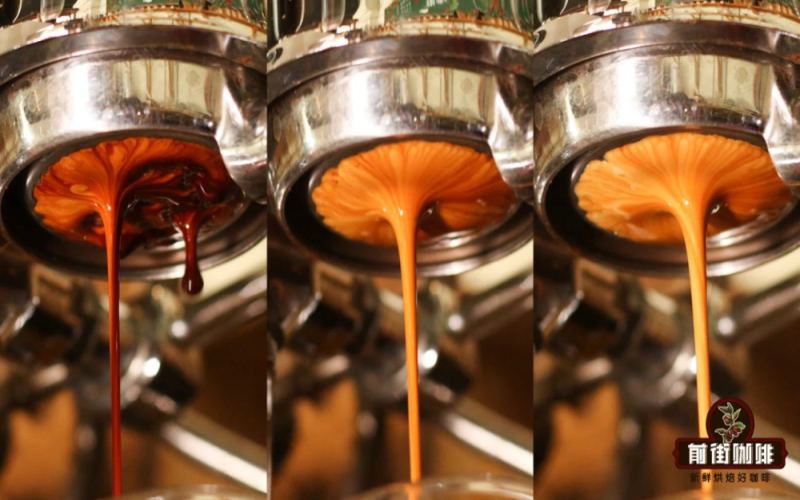
Front Street Coffee's Four Italian-Style Blend Beans Flavor Analysis: A Comprehensive Overview from Raw Blends and Roasted Blends to SOE and Classic Recipes
The development of espresso blends has undergone an evolution from traditional dark-roasted blends with Robusta beans to modern specialty blends. In this article, Front Street Coffee systematically sorts out the core logic of espresso blending: why blending is necessary, the respective advantages and disadvantages of blending green beans versus blending roasted beans, the rise and limitations of the SOE trend, and provides a detailed introduction to four representative espresso blend recipes—Front Street Specialty Blend, Front Street Commercial Espresso Blend, Front Street Dark Cocoa Blend, and Front Street Strawberry Candy Espresso Blend—covering the flavor characteristics and roasting approaches of beans from origins such as Colombia Huila, Brazil Cerrado, Yunnan AA, and Indonesia Mandheling, and finally attaching ratio instructions for espresso, latte, cappuccino, flat white, and other fancy coffee drinks, providing coffee enthusiasts and industry professionals with a complete framework for understanding blending. [more…]
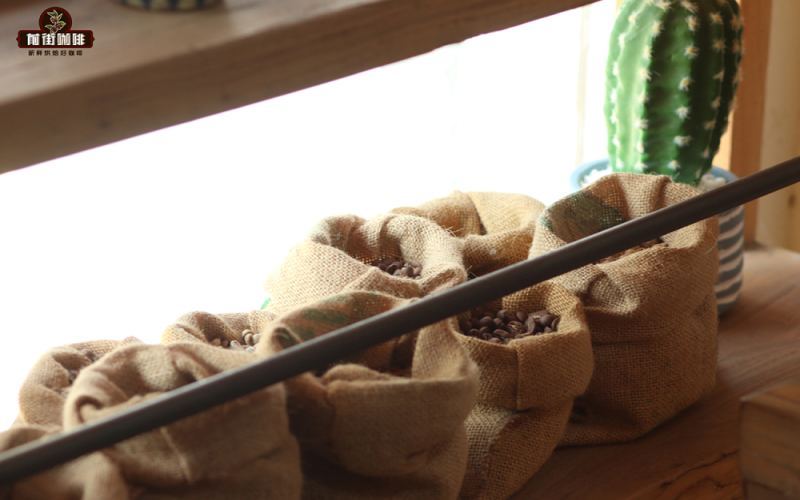
What Is Blended Coffee? An Analysis of Espresso Bean Blending Methods and Key Points on Resting Time
For those who are new to specialty coffee, seeing baristas sell beans from different origins blended together can be puzzling. In fact, this is blended coffee, also known as a blend. From the perspective of Front Street Coffee, this article systematically explains the definition of blended coffee, the purpose of blending, the difference between pre-roast blending and post-roast blending, as well as blending approaches for different origins and different varieties. It also provides a detailed introduction to the recipes and flavor characteristics of Front Street's four espresso blends, along with suggested parameters for pour-over blended coffee, helping coffee enthusiasts fully understand the value and uses of blended coffee. [more…]
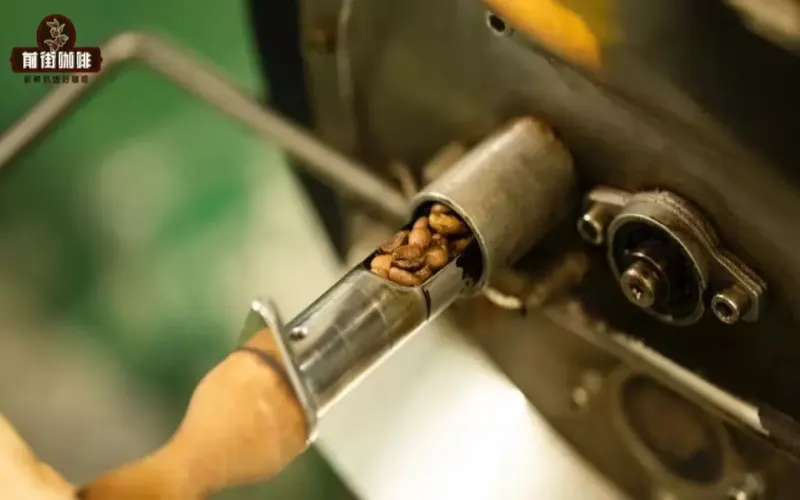
An Analysis of the Differences Between Pre-Roast and Post-Roast Blending for Espresso Blends, with a Discussion of Blend Recipe Design and Tasting Methods
Espresso coffee beans are usually made by blending a variety of coffee beans, and in Italy, a bag of beans may contain several or even dozens of beans from different origins. The core value of blending lies in maintaining flavor stability: when a certain bean's quality fluctuates, its production declines, or its price rises, the roaster can substitute it with beans of similar quality without changing the overall taste. Blending methods are mainly divided into two types: pre-roast blending and post-roast blending, each with different operational logic and suitable scenarios. This article focuses on the differences between these two blending methods, while also explaining the influence of roast degree on flavor, the reasons why single-origin beans find it difficult to independently serve as an espresso base, and recommending three classic espresso blend products from the Front Street Coffee brand, to help coffee enthusiasts understand the design approach and tasting direction of blend recipes. [more…]
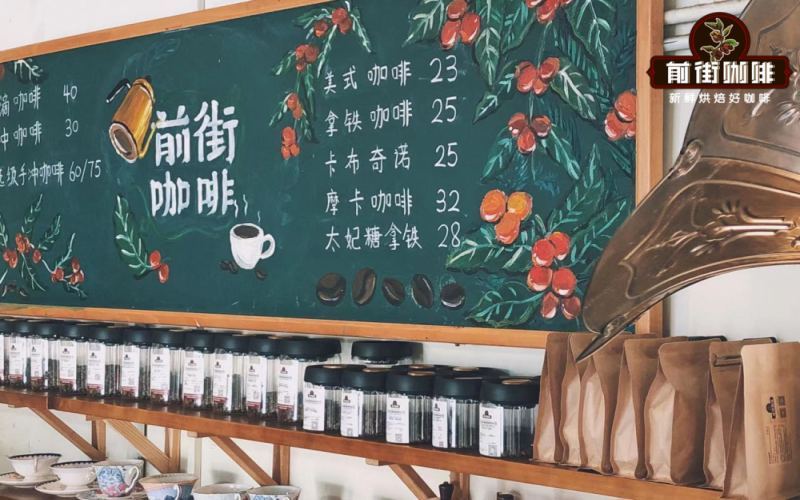
A Comprehensive Analysis of the Differences Between Espresso Blend Coffee Beans and Single-Origin Beans and the Logic of Blending
Many friends who are just getting into coffee are curious: why are blend beans used for making lattes and cappuccinos, while single-origin beans are used for pour-over? What exactly is the difference between the two? Starting from Front Street Coffee's production practices, this article systematically sorts out the definition of espresso blends, blending approaches, the original intent behind blending, and the respective pros and cons of blending raw versus roasted beans, while also explaining the importance of blending ratios and flavor harmony. The article also introduces in detail the formulas and flavor positioning of Front Street's four espresso blends, helping coffee enthusiasts choose suitable espresso beans according to their budget and taste preferences, and understand the philosophy of balance behind blending. [more…]
Beginner's Guide to Espresso Blend Beans: A Detailed Explanation of Blending Logic, Roasting Methods, and Flavor Differences from Single-Origin Beans
In the world of espresso, blend beans have always held a mainstream position. Walking into a Front Street Coffee store, you'll find that the bar offers both pour-over single-origin coffees and espresso classics like lattes and cappuccinos—and what's used behind the espresso drinks is precisely blend beans. This article will focus on espresso blend beans: first clarifying their definition and Italian origins, then comparing the flavor differences between blend beans and single-origin beans, breaking down the pros and cons of the two roasting approaches—pre-blend roasting and post-blend roasting—and introducing one by one the flavor characteristics and recipe ratios of Front Street's four espresso blend beans currently on sale, providing a reliable reference for friends looking to get into espresso beans. [more…]

Espresso Blend Philosophy | Why Blend Coffee Beans? How Different Are Espresso Blends from Single-Origin Beans in Flavor?
Coffee lovers who frequently visit Front Street Coffee (FrontStreet Coffee) know that Front Street Coffee (FrontStreet Coffee) not only offers pour-over coffee but also espresso-based drinks, such as mocha, cappuccino, latte, and more, which are often available. [more…]
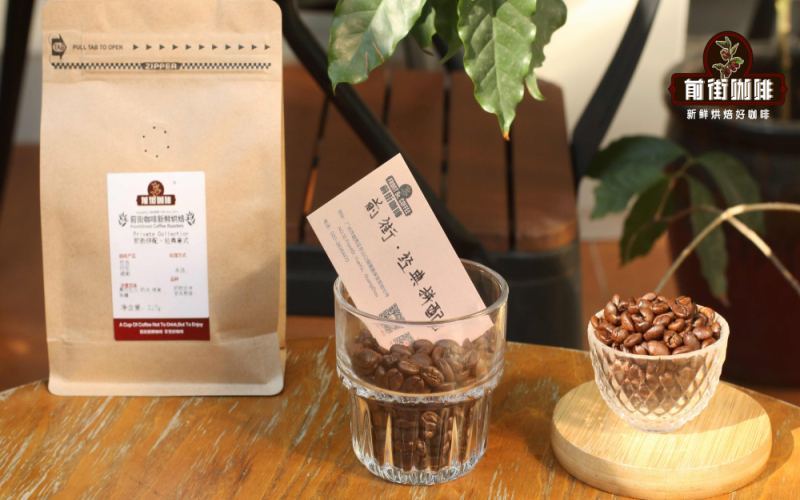
A Complete Guide to Espresso Blend Coffee Beans: Blending Principles, Raw-Roasted Blending Methods, Seasonal Recipes, and Brand Recommendations
Blended coffee beans are the flavor cornerstone of espresso, but there is a great deal of craft behind how to blend an outstanding shot. This article begins with the basic logic of blending: a good recipe must surpass any single-origin bean in the blend, and the number of bean varieties should ideally be kept to no more than five; it then analyzes the differences between the two processes of roasted blending and green blending, along with their respective resting times—3-4 days for green blending and about a week for roasted blending; next, it introduces the seasonal blending concept popular in the specialty coffee world, and uses the standout sweet Front Street Strawberry Candy espresso as an example to break down its composition of origins and processing methods; finally, it presents the cost-performance ledger of Guangzhou Front Street Coffee's commercial blend beans—less than 1.5 yuan per cup—providing a clear reference for your purchasing decision. [more…]
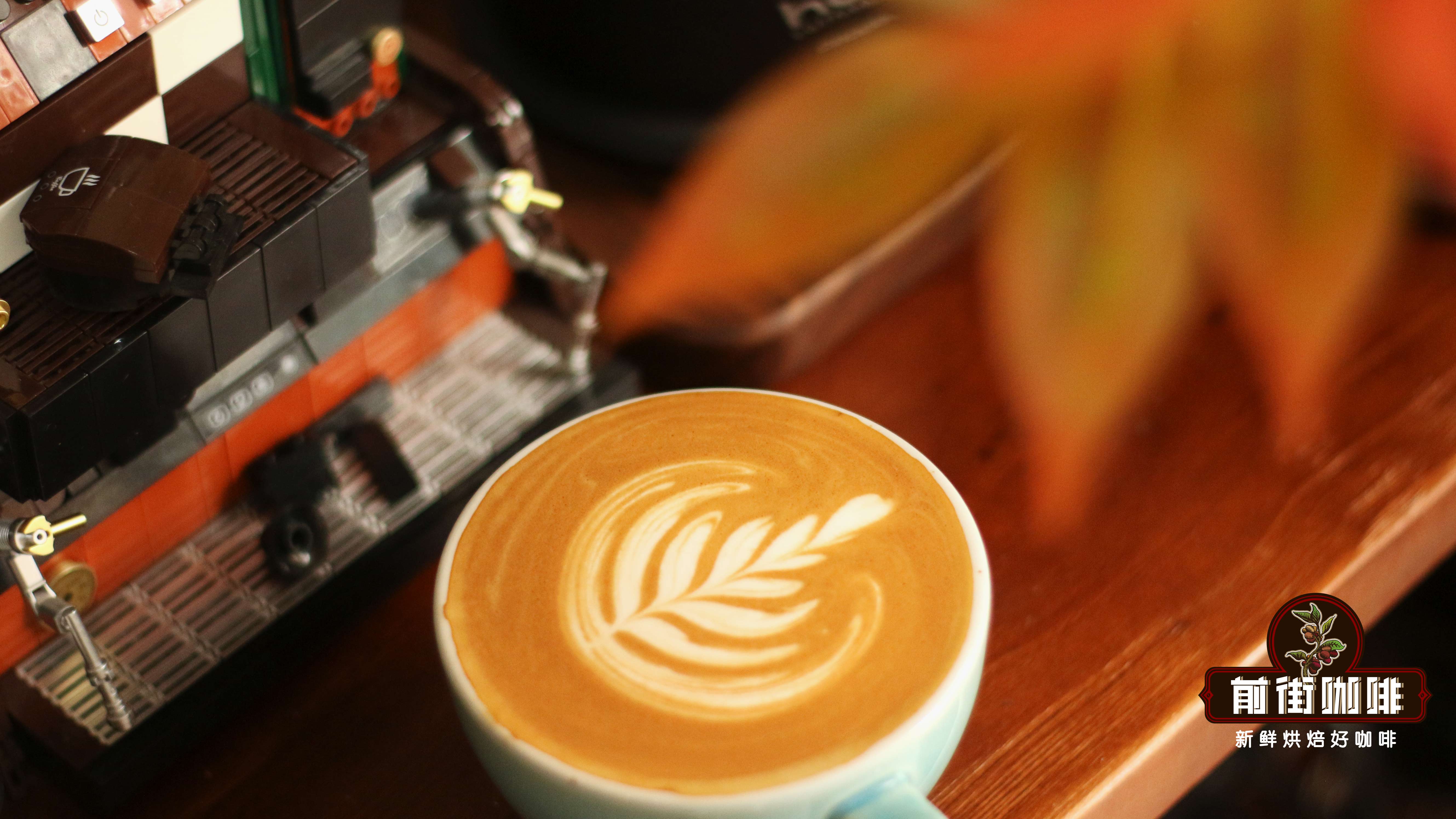
Can espresso blend beans handle pour-over? Exploring the autumn flavors of Front Street Yunnan blend and sharing the recipe
Pour-over coffee has always pursued the goal of showcasing the terroir of a single origin, while espresso blends are mostly designed for espresso. Can the two collide to create new possibilities? Front Street Coffee, inspired by autumn, tried using Yunnan Typica as the base, supplemented by Yirgacheffe and Gesha Village natural beans, to explore a blend recipe suitable for pour-over. From the logic of bean selection, the trade-offs between pre-roast blending and post-roast blending, to the step-by-step adjustment of the roasting curve, and then to multiple rounds of cupping and ratio optimization, the entire process not only sorts out the principles of blending but also includes specific reference parameters and flavor records, opening up new ideas for coffee enthusiasts in pour-over blending. [more…]
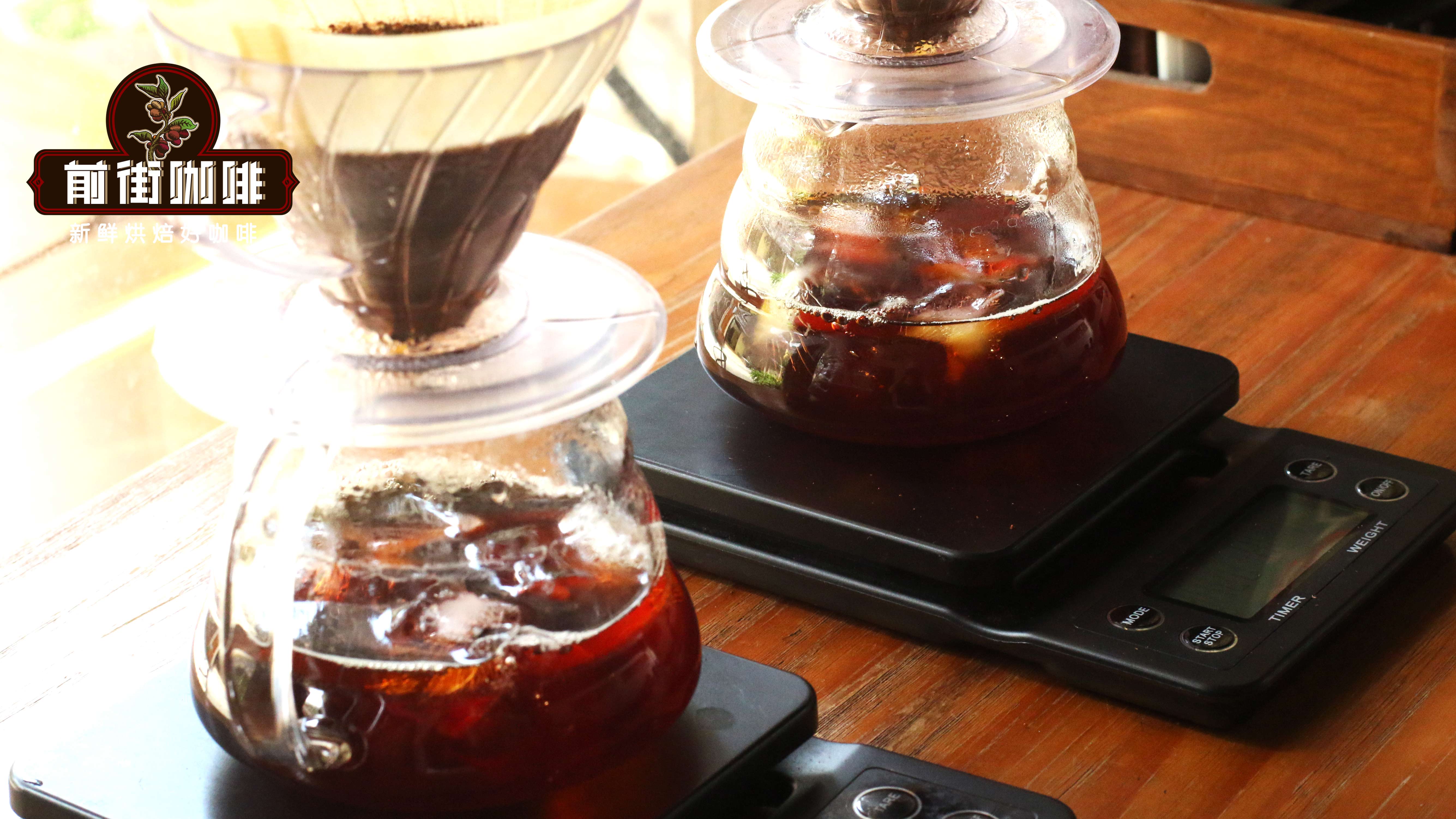
A Comprehensive Guide to Espresso Blend Coffee Beans: Yunnan Flavor Blend Characteristics and Four Selected Front Street Coffee Bean Recommendations
Single-origin coffee is mostly used for pour-over, while espresso is generally made with blended beans. But must espresso use blended beans? What exactly is a blend? From the perspective of Front Street Coffee, this article systematically sorts out the origin of espresso blends, the purpose of blending, and the difference between raw blending and roasted blending, and analyzes in detail the flavor characteristics and applicable scenarios of four Front Street blends. The article also specifically introduces the "Front Street Dark Cocoa Blend" based on Yunnan coffee beans, which is highly cost-effective and suitable for moka pots and espresso beginners. Whether you are a coffee enthusiast or a shop owner, you can find an idea for choosing espresso beans that suits you. [more…]
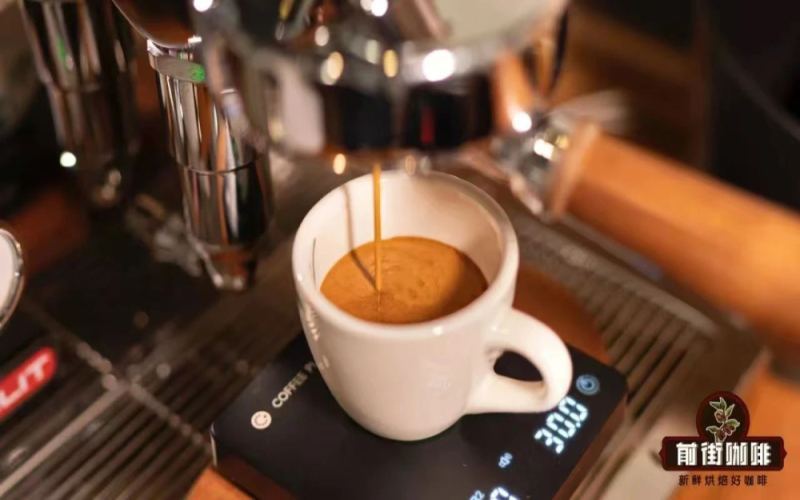
A Complete Guide to Espresso: Definition, Drinking Methods, and Italian Blend Bean Selection Guide
Espresso is the core foundation of the Italian coffee system and a required course for many coffee enthusiasts just starting out. From the perspective of Front Street Coffee, this article systematically sorts out the definition and extraction standards of Espresso, introduces three common ways of drinking it—straight, with milk, and with water—as well as the less common pairing with liqueur, and takes a deeper look at the origin and role of espresso blend coffee beans. The article also compares in detail the pros and cons of two blending methods, pre-blending and post-blending, and finally shares the flavor characteristics and recipes of Front Street's four espresso blends, including Sunflower Warm Sun, Specialty Blend, Commercial Blend, and Dark Cocoa Blend, helping readers gain a comprehensive understanding of the coffee knowledge behind Espresso. [more…]
What Are Coffee Blends? A Comprehensive Analysis of Espresso Recipe Principles and Resting Time
Blended coffee beans are the core foundation of espresso and a craft that baristas continually explore. What exactly is blended coffee? Why was it born in Italy and why is it still popular today? What are the pros and cons of blending raw beans versus blending roasted beans? Why must espresso use blended beans rather than single-origin beans? From the perspective of Front Street Coffee, this article systematically sorts out the definition, historical origins, blending logic, and methods of blended coffee, and introduces in detail the recipe characteristics and flavor performance of Front Street's four espresso blends. It also includes practical parameters for pour-over blended coffee to help coffee enthusiasts fully understand the value and uses of blended coffee beans. [more…]
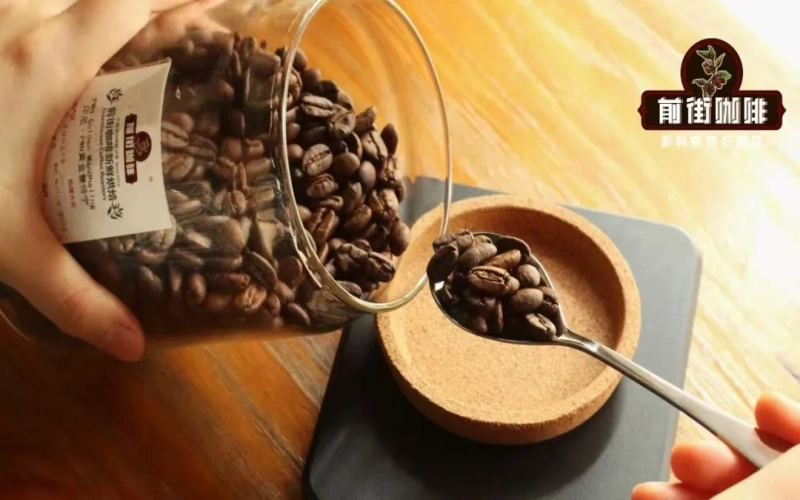
How Should You Blend Coffee Beans? A Purpose-Driven Guide to Pre-Roast and Post-Roast Blending with Front Street Coffee's Practical Recipes
Blending is not simply mixing a few beans together; it can both deliver consistent output and create entirely new flavor experiences where one plus one is greater than two. This article begins with the purpose of blending, explains how to select base beans and ratios according to the desired flavor or mouthfeel, and points out that similar roast levels are the key to successful blending. It also draws on two products—Front Street Coffee Strawberry Candy · Geisha Blend and Front Street Coffee Strawberry Candy · Espresso—to break down the differences between pour-over blends and espresso blends in bean selection and roasting, and finally includes adjustment ideas for brewing parameters and two sets of blending recipes commonly used by Front Street Coffee, for coffee lovers to reference and practice. [more…]
The Blending Principles and Techniques of Espresso Blend Coffee Beans: From Pre-Roast and Post-Roast Blending to an Analysis of Three Front Street Coffee Recipes
Espresso blends are not made by casually mixing several kinds of beans together, but rather by purposefully harmonizing them according to origin flavors, processing methods, and roasting curves. Starting from the definition and purpose of blending, this article explains the difference between raw blending and roasted blending, explains how blending stabilizes flavor and balances mouthfeel, and sorts out the advantages and limitations of single-origin espresso under the SOE trend. It then takes three Front Street Coffee espresso blend recipes as examples, analyzing one by one the origin characteristics, roasting approach, and final cup performance of components such as Colombian Huila, Brazilian Cerrado, Robusta, and Yunnan AA, helping shop owners and home users choose according to their needs. [more…]
In-Depth Analysis of Espresso Blend Beans vs. SOE Espresso: A Comprehensive Comparison from Recipe Logic to Flavor Performance
The choice between espresso blends and SOE espresso has always been a hot topic among coffee enthusiasts. Why are blended beans still the mainstay of espresso to this day? Compared with single-origin espresso, what are their respective flavor advantages and suitable scenarios? From the perspective of Front Street Coffee, this article systematically sorts out the definition of blended coffee, the difference between pre-roast blending and post-roast blending, the three core purposes of blending, and the real differences in flavor between blended beans and SOE. At the same time, combined with the practical extraction plan of Front Street Sunflower Warm Sun Blend, it shares the specific ratios for hot lattes and hot Americanos, and recommends Front Street Classic Espresso Blend for friends who prefer a rich mouthfeel. Whether you are a beginner just getting into espresso or a seasoned drinker who wants to understand the logic of blend formulas, you can gain practical reference from it. [more…]
Analysis of the Flavor Characteristics of Medium-Roast Espresso Beans, and Why Espresso Blends Are Chosen for Making Espresso
To make an espresso that balances acidity, sweetness, and bitterness with a full-bodied mouthfeel, choosing the right beans is a key step. Single-origin coffee beans, while excelling in pour-over brewing, often struggle to meet espresso's demand for complexity, so blended beans become the top choice for most roasters. This article will start with the definition and characteristics of Italian-style blended beans, analyze the differences between the two processes of raw blending and roasted blending, and combine several classic blend products from Front Street Coffee to help you understand the taste characteristics of medium-roast Italian-style beans, and why Italian-style blended coffee beans should be chosen for making espresso. [more…]
The Purpose of Blending Coffee Beans | What Are the Characteristics of SOE Coffee? Which Is Better: SOE Single-Origin Beans or Espresso Blends, and What's the Difference?
Many friends have asked the baristas at Front Street Coffee what SOE coffee is, and why so many specialty coffee shops now offer SOE coffee, yet Front Street Coffee (FrontStreet Coffee) has not put SOE coffee on its menu. Front Street Coffee (FrontStreet C [more…]